Self-Righting Technology
When a wave rolls your boat, it must automatically flip itself upright within seconds and continue operating. Otherwise you're swimming or losing gear.

Surf fishing remote control bait boats are built for breaking waves. They are bigger and tougher than lake boats, run faster, last longer on a charge, and carry larger baits. If a wave rolls one over, the self-righting hull turns these radio controlled bait boats back upright and they keep going. Send big baits into deep water for sharks and game fish, then take the same boat to the bay, river or lake.
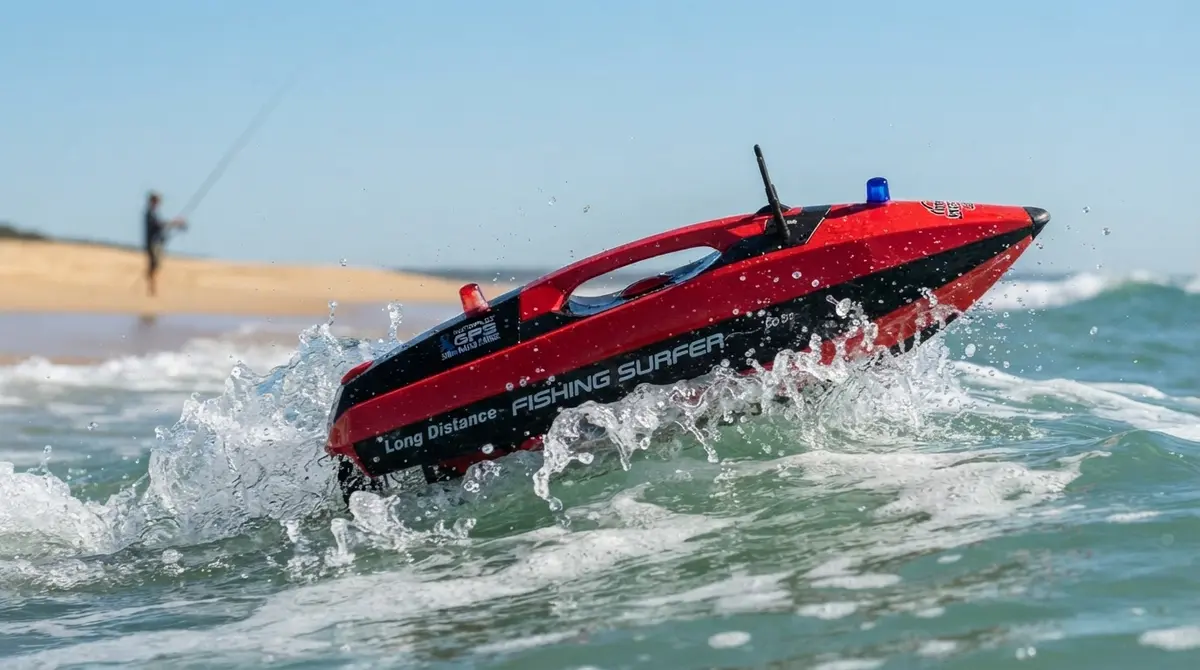
Bait boats for surf fishing are rewriting the rules of beach angling across Australia. These specialised remote-controlled craft deliver your bait precisely where the fish are, up to 500 meters offshore, with GPS accuracy every time. Models equipped with fish finders add another dimension, allowing you to scout bottom structure, locate baitfish schools, and identify where predators are lurking before you drop your bait.
Compare this to traditional offshore bait delivery methods: kayak launches when shark fishing require paddling through the surf zone in at times dangerous surf conditions and at night. Jet ski launches need boat ramps, registration, licensing, and significant investment, making them impractical for most beach fishing scenarios.
Surf fishing with a bait boat allows you to fish safely from shore while accessing fishing zones that were previously boat-only territory.
It's not replacing traditional surf fishing. It's expanding what's possible from the beach.
From the sand a beach looks like one long stretch of water. Get up on a dune at low tide with polarised sunnies and the structure shows. Dark water is deep, light water is shallow and white water is waves breaking over a bank. Water pushing out close to shore, sometimes murky or cloudy, is a rip. Sandbanks, gutters and cuts decide where the fish feed. The distances below are typical for an Australian surf beach, but banks move after big swells, so check each time you fish. A cast reaches the first gutter. A bait boat runs out through the cut to the bigger fish beyond it.

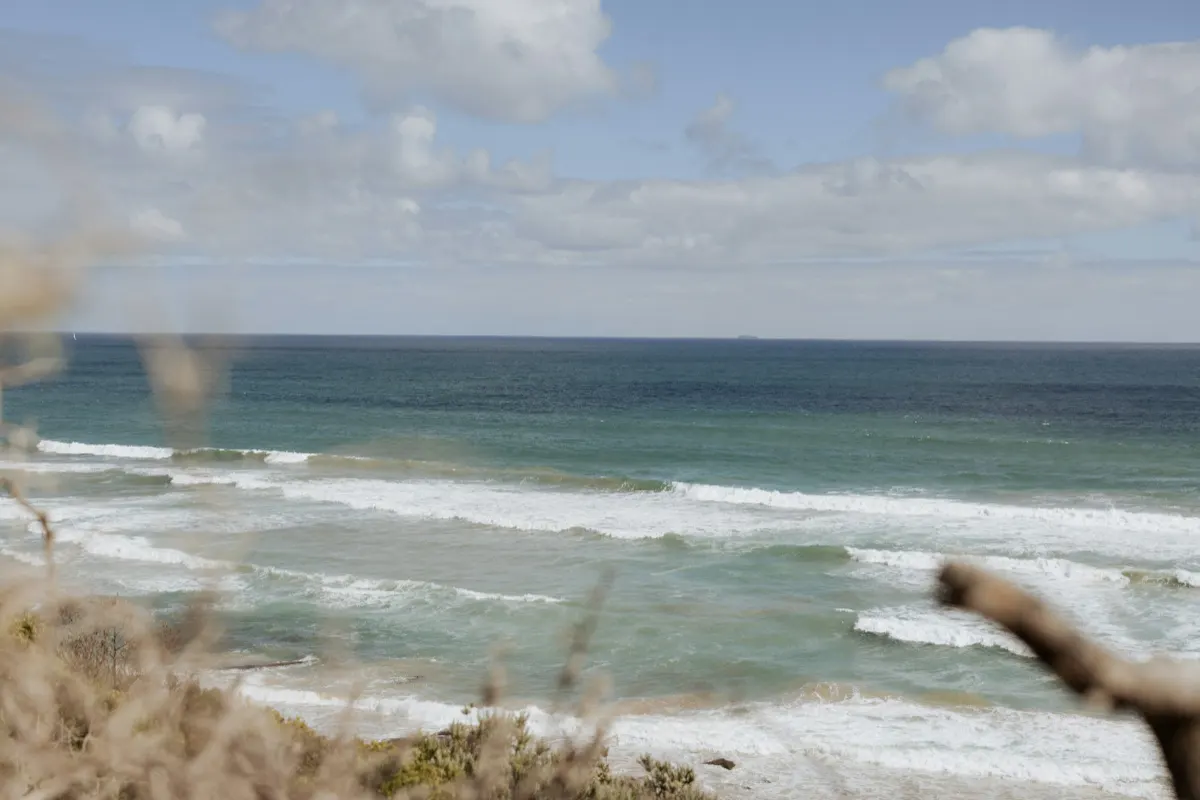
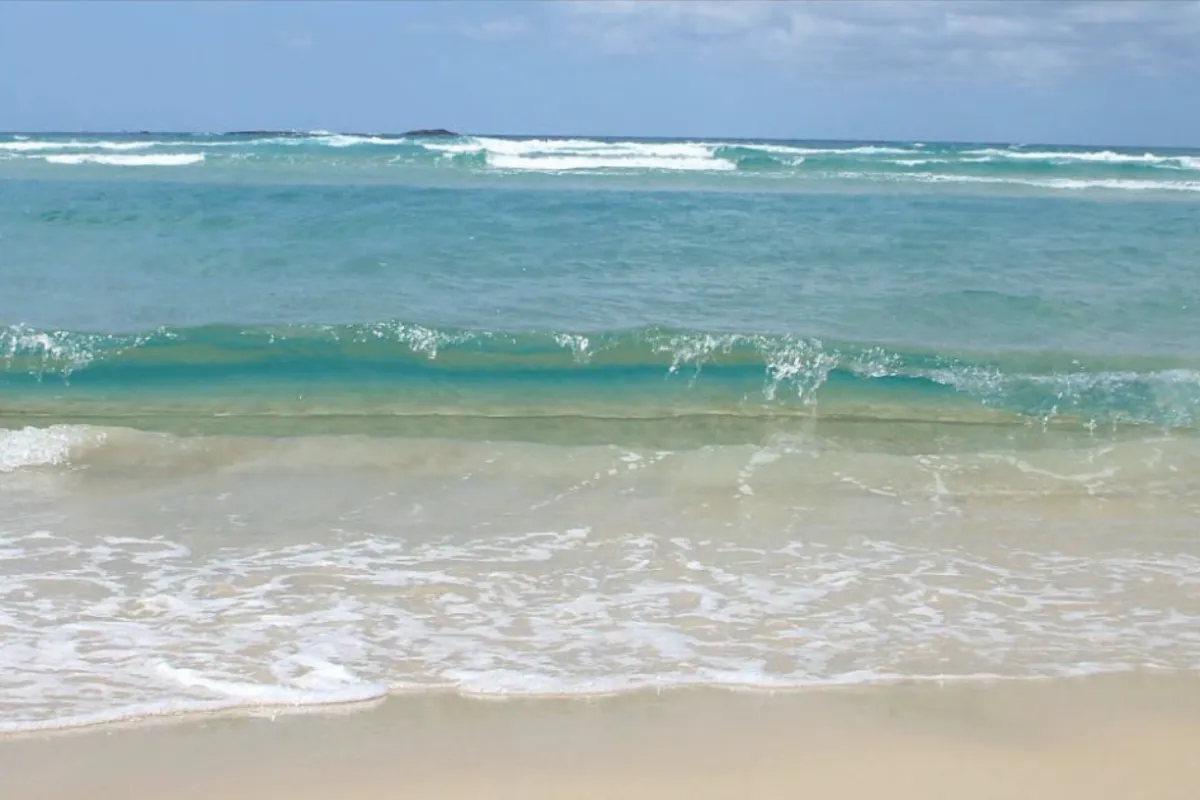
Shallow sand close to shore where the small waves break. Fish cruise its edges but rarely sit on top.
The deeper channel between the two sandbanks. Darker, calmer water where baitfish shelter, and whiting, bream, flathead, tailor and salmon move in to feed. It is within casting range.
The outer bank where the bigger waves break white. It marks the edge between the gutter and deep water.
A gap in the second sandbank where the waves stop breaking. Deeper water runs through it, and fish use it to move between the gutter and the open sea.
Deep water past the second sandbank. Mulloway, snapper, kingfish and sharks patrol here. This is where your record catch is waiting.
Most bait boats are designed for calm water such as lakes, rivers, and bays where waves and current aren't factors. These work perfectly in their intended environment, but Australian surf conditions are a completely different challenge.
When a wave rolls your boat, it must automatically flip itself upright within seconds and continue operating. Otherwise you're swimming or losing gear.
Punching through breaking waves and fighting current demands real thrust. Underpowered boats get pushed back and drain batteries fast.
Saltwater kills electronics in hours. True surf boats have fully sealed compartments, corrosion-resistant hardware and proper gaskets.
Mark specific fishing spots and accurately return to them & more critically, automatic GPS return functionality that navigates itself back to the launch point.
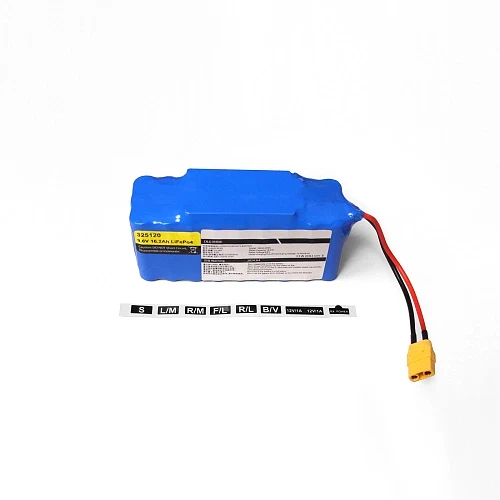
Surf conditions drain batteries faster than calm water. Look for quality lithium batteries with sufficient capacity for your typical session length.
After years in this industry, we're aware of only two models worldwide that are genuinely engineered for surf conditions, with the Joysway Fishing Surfer being the only one readily available in Australia.
The limited global options become even more constrained in Australia. Importing large surf fishing bait boats can lead to high shipping costs, complex warranty claims, and long delays when you need spare parts. Buying from an Australian supplier fixes all three.
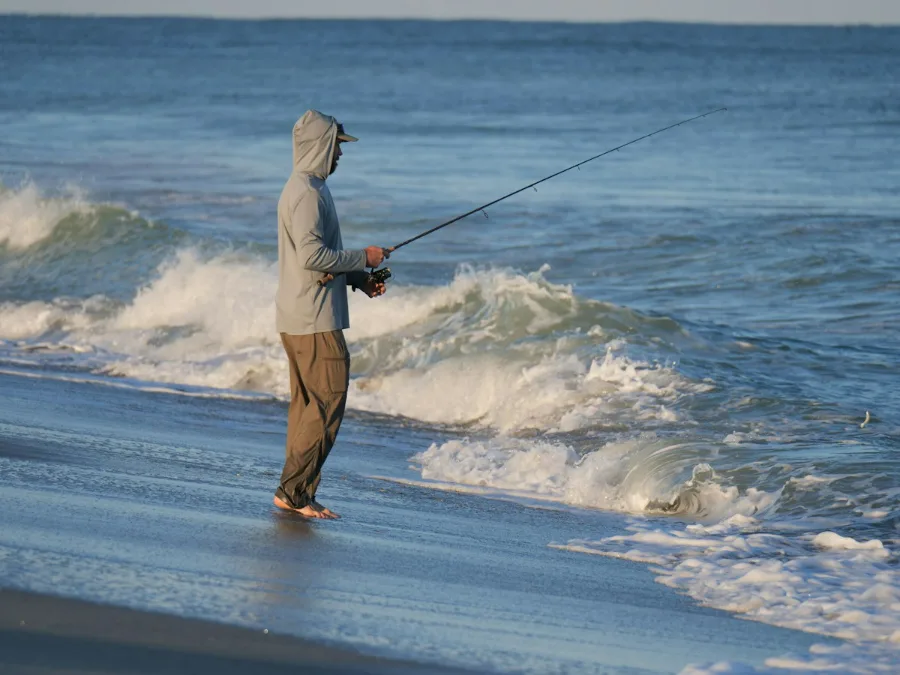
Having the right equipment solves the capability problem. Using it correctly maximises results and protects your investment.
Watch the surf for 3-5 minutes before launching. Wave sets follow patterns, with larger waves in groups followed by lulls. Launch during the lull period, giving your boat time to punch through the impact zone before the next set arrives.
Even with self-righting technology, smart timing reduces unnecessary battery drain and speeds your deployment.
Fish don't always hold just beyond the breakers. Often, the most productive water is further offshore where the structure is better. Fish finders and GPS let you systematically work these areas rather than fishing randomly. Once you've found the fish, our guide to six rigs for surf anglers shows which one suits each species.
Surf conditions drain batteries faster than calm-water operation. The motors work harder fighting currents and waves, reducing overall runtime.
Always start your session with fully charged batteries and consider carrying spares for extended sessions. Auto-return (back-to-base) functionality ensures the boat returns even if the batteries go flat, giving you peace of mind.
Use lulls in wave patterns and rips to aid battery life. Navigate perpendicular from the shoreline until past the breaks before correcting course to the final bait drop location.
Saltwater is corrosive and requires immediate attention after every use. As soon as you're home, rinse the entire bait boat thoroughly with fresh water.
Pay special attention to the motor areas, prop, and any exposed metal components. Open accessible compartments to check for water intrusion and dry thoroughly before storage.
"Got it out past the second bank at Stockton and dropped a bait right on a mulloway I could never have reached by hand. Worth every cent."
"Sent a big shark bait 400m off the beach at Mandurah on my first session. Had a bronze whaler on within the hour. Could never have done that with a rod."
"Had a cheap one pack it in after a season. The Joysway is a completely different animal. Been using it for snapper and flathead out in the bay. These blokes know fishing."
"Mild conditions" are unpredictable. A calm launch can turn challenging quickly with wind shift or tide change. Without self-righting capability, you're risking expensive equipment based on conditions staying favourable. Purpose-built surf boats handle unexpected challenges that destroy calm-water models.
Yes. Bait boats are allowed on surf beaches in every Australian state. Your line stays attached to your rod, so the usual rod and line rules apply. Launch away from swimmers and stay out of marine park sanctuary zones. See the rules in each state.
GPS capability is transformative. Waypoint marking means you fish systematically rather than randomly. Auto-return means you're never worried about retrieval if conditions change, battery depletes, or visual contact is lost.
Depends on your priorities. If budget is primary consideration and you want to master basic operation first, starting without fish finder and upgrading later works. If you're serious about consistently finding productive water and maximising your fishing effectiveness, integrated fish finder capability from the start pays dividends immediately.
Saltwater is corrosive and requires immediate attention after every use. As soon as you're home from your fishing session, rinse the entire bait boat thoroughly with fresh water. Pay special attention to the motor areas, prop, and any exposed metal components. Open accessible compartments to check for water intrusion and dry thoroughly before storage.
Still have a question? Send us an enquiry →