Joysway
Fishing Surfer V3 RC Boat
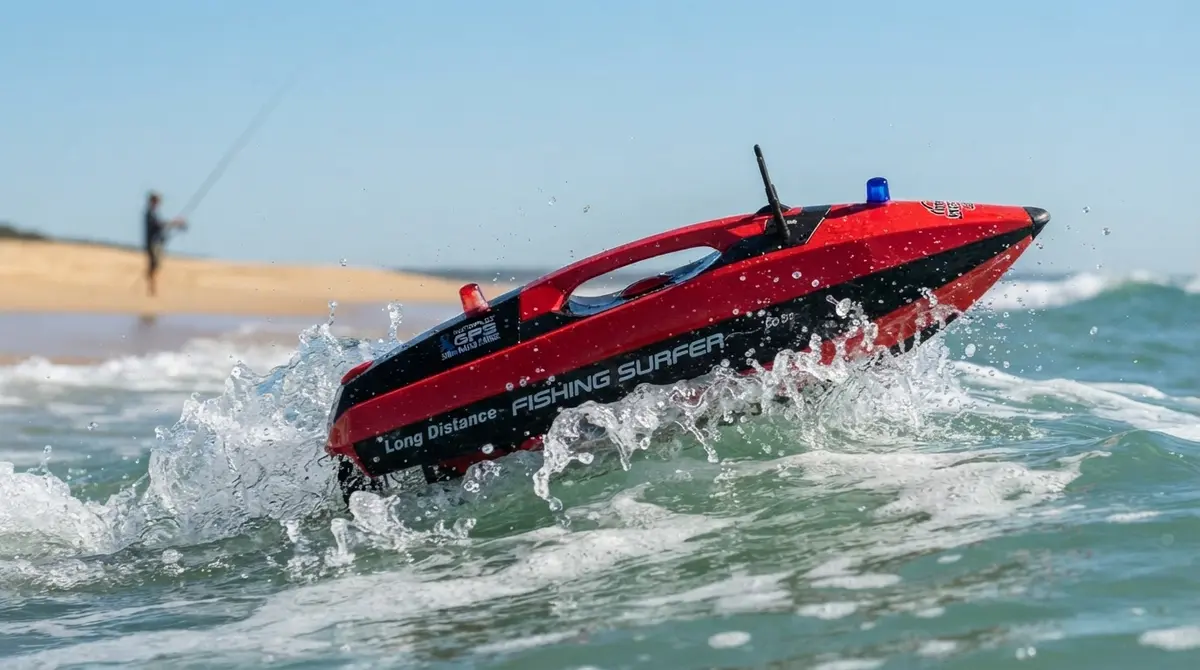
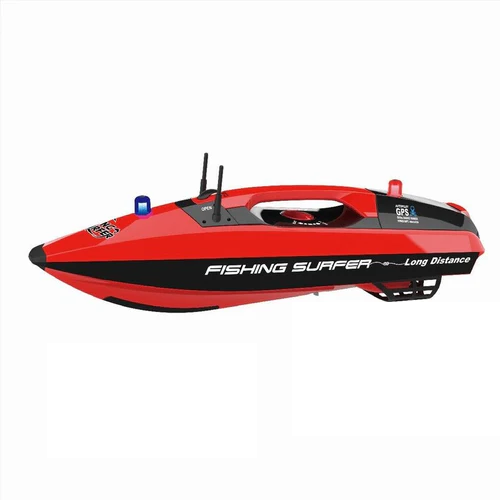
Joysway Fishing Surfer V3 puts bait where the fish are, reaching up to 500 metres offshore. GPS navi…
$1,599

Experience the best in RC fishing boat technology engineered for Australian anglers who demand performance and reliability. Baitboats offers a select range of RC fishing boats built for precision bait placement and effortless line delivery across lakes, bays, rivers and open surf. These RC bait boats combine powerful drive systems, generous hoppers and intelligent controls to help you target fish at greater distances and in hard-to-reach spots.
Whether you're chasing Murray Cod in freshwater, hitting the surf for long-range bait drops or testing new fishing spots on the river, our fishing RC boats provide the stability, battery endurance and wireless control you need for a successful session. Our RC bait boats for surf fishing deliver exceptional handling through waves and strong currents, making complex drop-offs surprisingly easy.
Joysway Fishing Surfer V3 puts bait where the fish are, reaching up to 500 metres offshore. GPS navi…
Joysway Fishing Surfer FP3251 V2 puts bait where the fish are, reaching up to 500 metres offshore. G…
Everything the Fishing Surfer does, plus a Toslon TF520 colour fish finder so you can see what's…
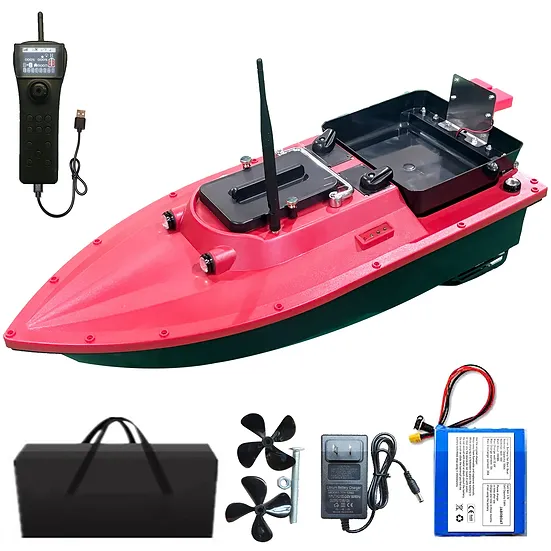
Brushless-motor bait boat for ocean and freshwater. 22,000mAh battery, 400-500m GPS range, and a wat…
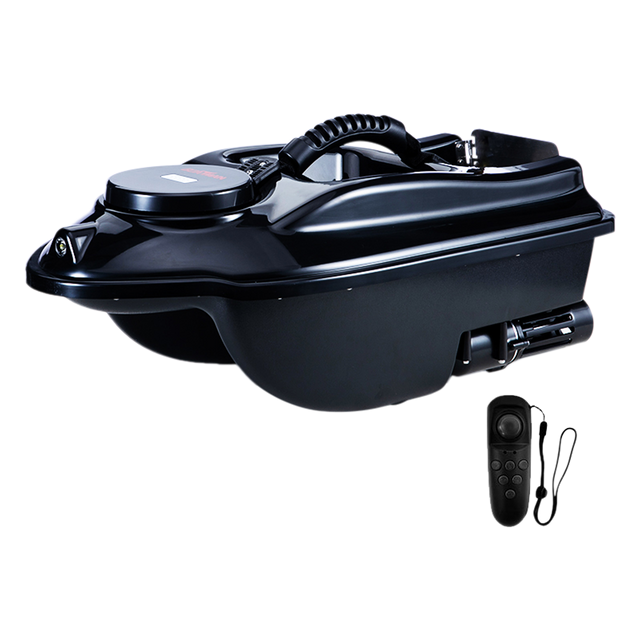
Boatman Actor bait boat is a solid workhorse for rivers, dams, and lakes sporting a long battery lif…
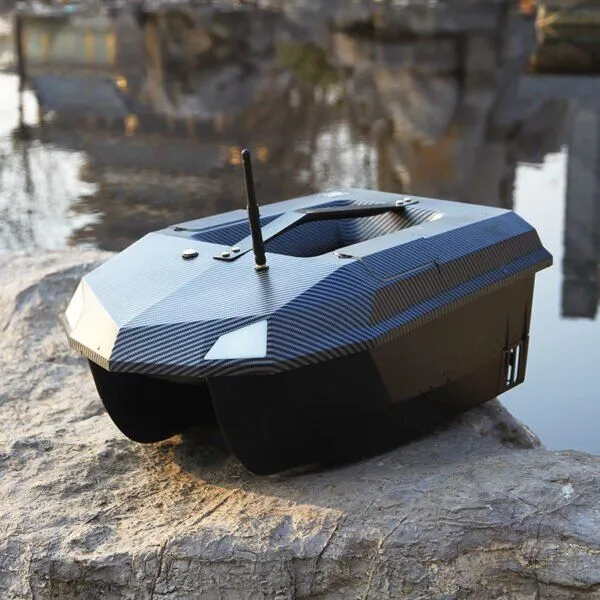
Manuowell's flagship. Middle-drop precision, twin 12V high-torque motors, 20+ GPS spot memory, a…
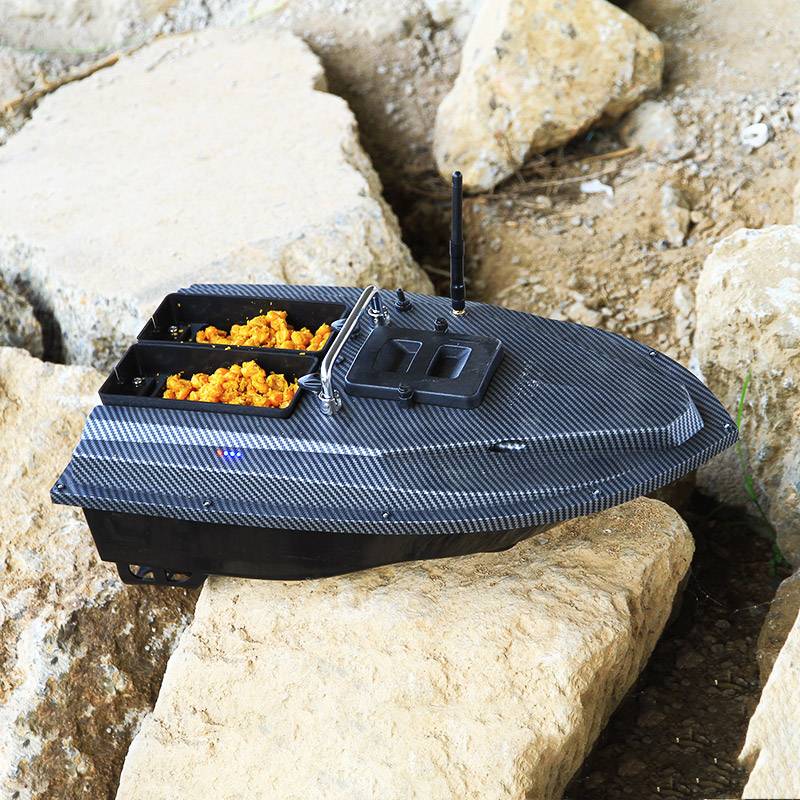
Dual rear hoppers, twin 7.4V Blade motors, GPS optional. Drop two baits in two locations on the same…
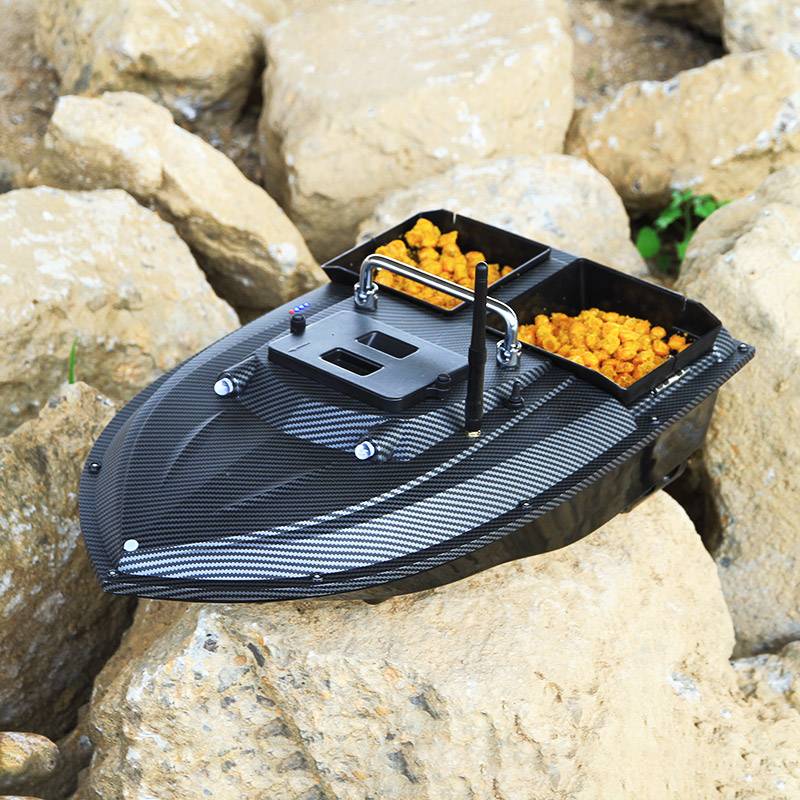
Dual side-opening hoppers cut hook tangles. The Classic hull's double-drop workhorse with twin 7…
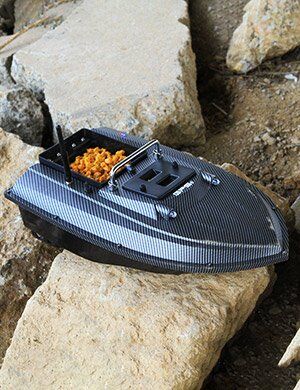
Single hopper, twin 7.4V 10,000rpm motors, 500m range. Manuowell's value entry into the Classic …
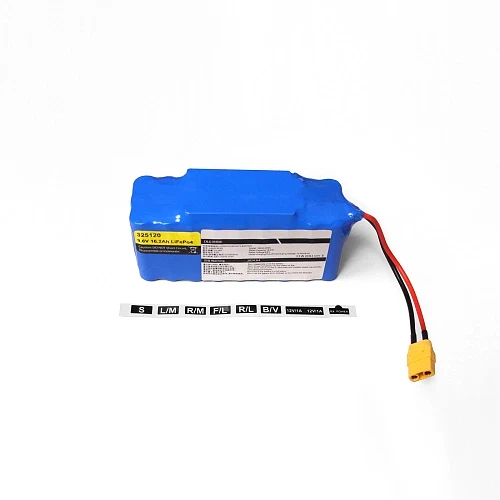
Genuine replacement LiFePO4 battery for the Joysway Fishing Surfer V2 and V3. 9.6V 16.2Ah for extend…
From the sand a beach looks like one long stretch of water. Get up on a dune at low tide with polarised sunnies and the structure shows. Dark water is deep, light water is shallow and white water is waves breaking over a bank. Water pushing out close to shore, sometimes murky or cloudy, is a rip. Sandbanks, gutters and cuts decide where the fish feed. The distances below are typical for an Australian surf beach, but banks move after big swells, so check each time you fish. A cast reaches the first gutter. A bait boat runs out through the cut to the bigger fish beyond it.

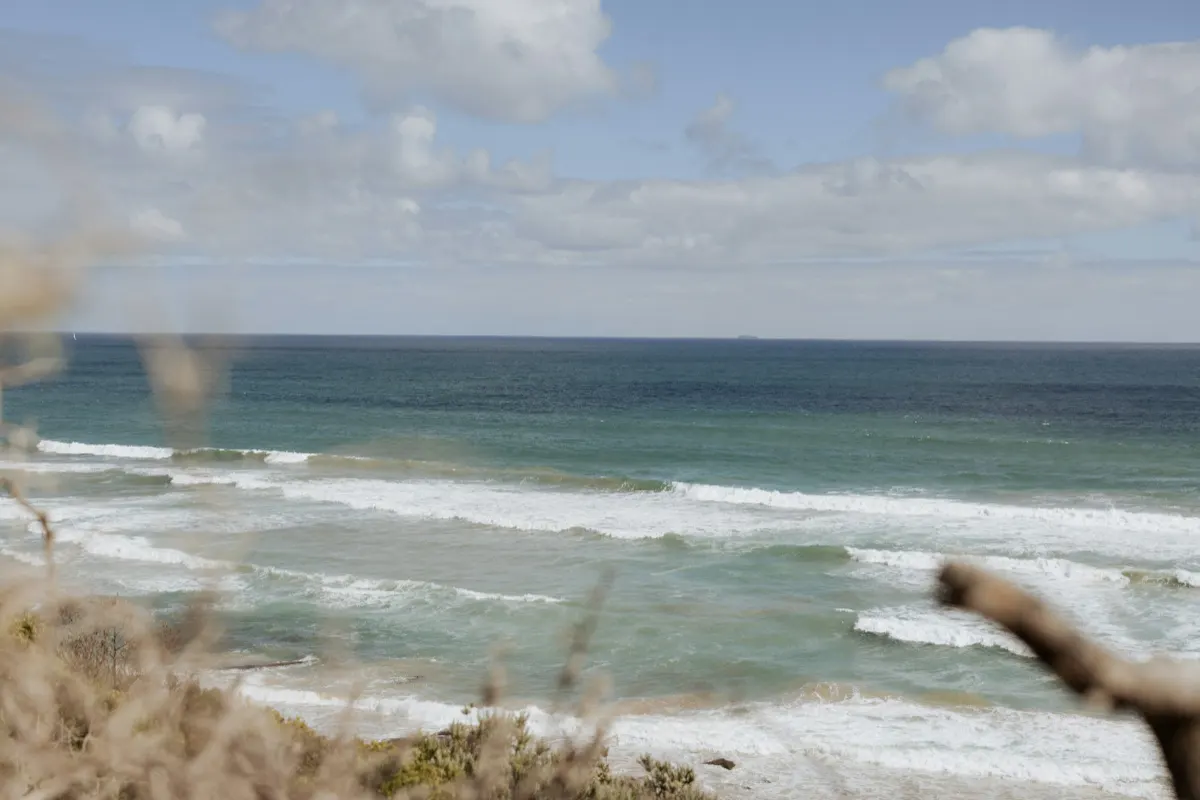
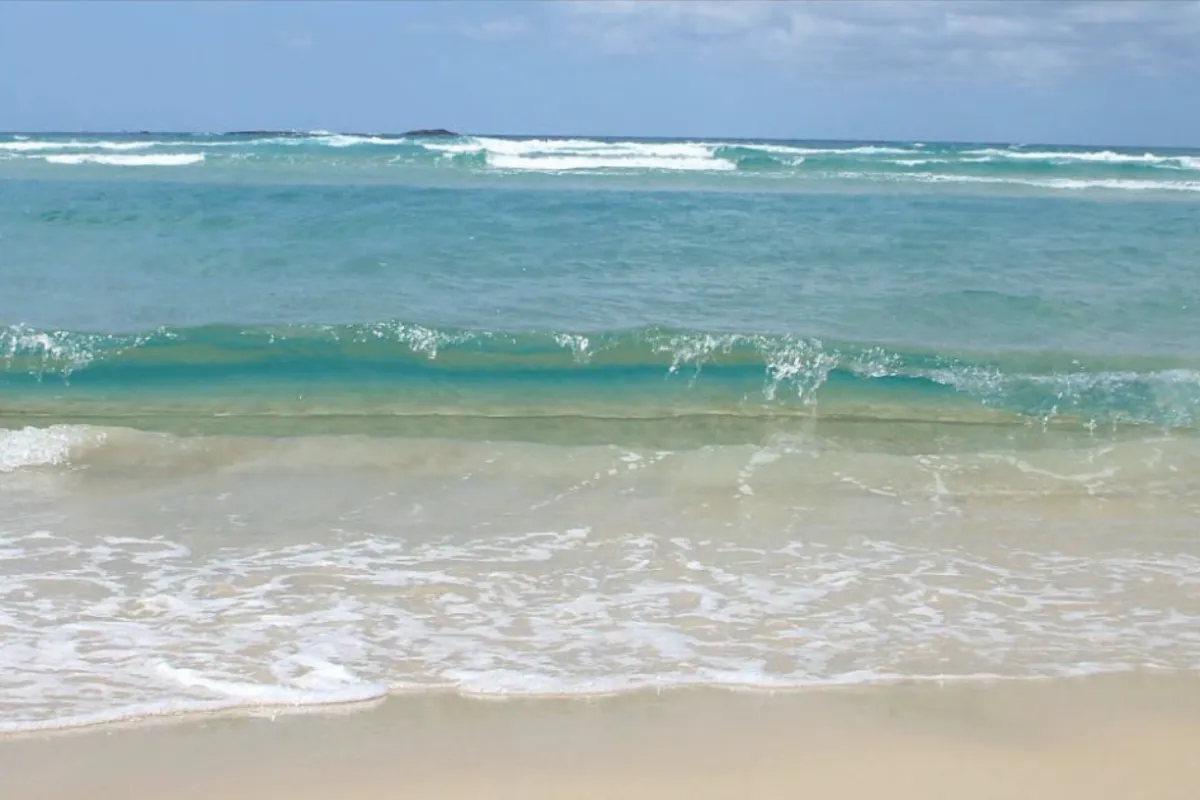
Shallow sand close to shore where the small waves break. Fish cruise its edges but rarely sit on top.
The deeper channel between the two sandbanks. Darker, calmer water where baitfish shelter, and whiting, bream, flathead, tailor and salmon move in to feed. It is within casting range.
The outer bank where the bigger waves break white. It marks the edge between the gutter and deep water.
A gap in the second sandbank where the waves stop breaking. Deeper water runs through it, and fish use it to move between the gutter and the open sea.
Deep water past the second sandbank. Mulloway, snapper, kingfish and sharks patrol here. This is where your record catch is waiting.
An RC fishing boat is only as good as the match between its design and the water you fish. Getting this match right is more important than any individual spec. These five considerations help you choose correctly from the start.
Surf boats need self-righting capability and real motor power. Freshwater boats prioritise quiet operation and battery runtime. Buying a surf-capable model for freshwater is fine. Buying a freshwater model for surf limits performance and risks the boat.
Brushless motors deliver longer service life, better energy efficiency, and stronger thrust than brushed equivalents. Most current models use brushless systems. Older budget designs sometimes still use brushed motors, which are louder and shorter-lived.
Control range needs to exceed your practical working distance by a comfortable margin. At 300m of working range, a 500m-rated control system gives you buffer for conditions that reduce effective signal range without putting the boat at risk.
Hopper size, opening width, and release reliability determine how useful the boat is in the field. A large, easy-loading hopper with a positive release mechanism is worth prioritising over spec-sheet features that sound impressive but rarely come into use.
Lithium batteries (LiPo and LiFePo) deliver better weight-to-capacity ratios and more consistent power delivery than NiMH alternatives. LiFePo chemistry is more thermally stable than LiPo and better suited to saltwater environments specifically.
Importing RC bait boats from overseas leads to high shipping costs, complex warranty claims, and long waits when you need spare parts. Buying from an Australian supplier fixes all three.
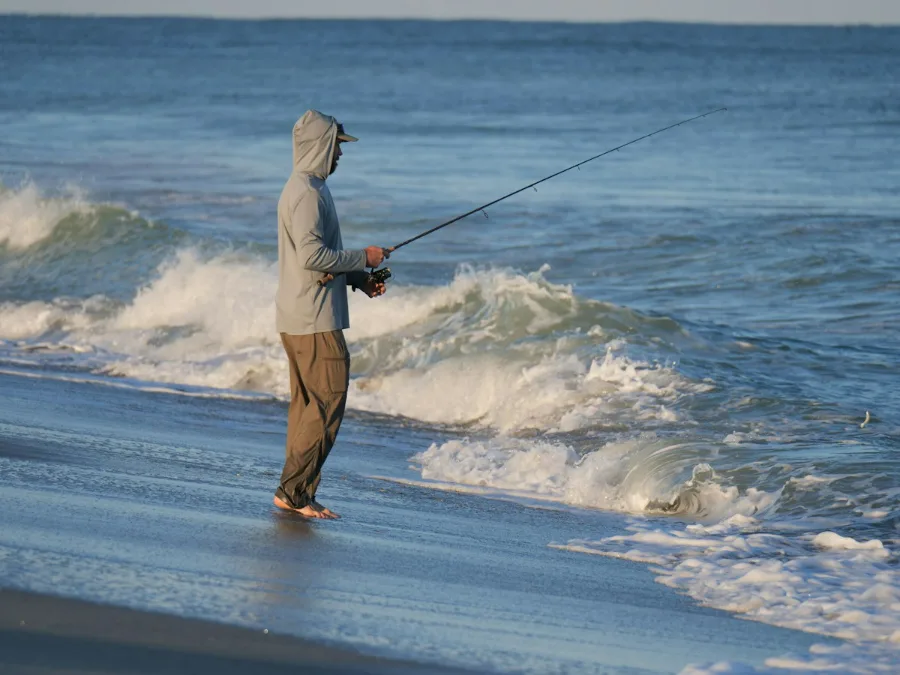
Surf models are heavier and more powerful for wave penetration. Freshwater models prioritise quiet operation and runtime. Choosing the right hull for your most common fishing environment makes every session better than forcing a mismatched design into the wrong conditions.
An open lake or bay with no obstacles lets you learn the controls without pressure. One session of calm-water practice is worth more than five sessions in difficult water with unfamiliar controls. Get comfortable first, then graduate to challenging environments.
Props are the most frequently replaced component on any RC bait boat. A rock, a submerged branch, or a hard bottom contact can damage a prop in seconds. Having a spare means you fish on rather than packing up. They are small, light, and inexpensive.
Driving the boat right to your feet in gravel shallows risks prop and keel damage. Stop the boat a few metres out and net it in or wade to it. Ten seconds of care at retrieval saves the prop and hull from unnecessary contact with hard or rocky bottoms.
"Got it out past the second bank at Stockton and dropped a bait right on a mulloway I could never have reached by hand. Worth every cent."
"Sent a big shark bait 400m off the beach at Mandurah on my first session. Had a bronze whaler on within the hour. Could never have done that with a rod."
"Had a cheap one pack it in after a season. The Joysway is a completely different animal. Been using it for snapper and flathead out in the bay. These blokes know fishing."
Yes. RC bait boats are legal for recreational fishing across Australia. They operate on unlicensed 2.4GHz radio and are treated as standard recreational fishing equipment. State fisheries rules may apply to species and methods, so check local regulations for your area.
The terms are used interchangeably in Australia. Technically, a RC fishing boat covers any radio-controlled boat used for fishing purposes, while a bait boat specifically refers to a purpose-built boat with a hopper and release mechanism. In practice, the boats in this range are all purpose-built bait boats with RC control systems.
The Manuowell D001 is a strong entry-level choice. It includes GPS, dual hoppers, and a straightforward remote layout.
Joysway models are rated for both saltwater and freshwater. Most Manuowell and Jabo models are designed primarily for freshwater and calm bay use. If you fish both environments regularly, the Joysway range handles both with proper post-use rinsing after saltwater sessions.
With proper care, quality models run for four to seven years. The most common wear components are props, bait release mechanisms, and battery cells, all of which are replaceable. Australian stock means spare parts arrive quickly rather than waiting on international freight.
Still have a question? Send us an enquiry →