
How to Read a Surf Beach for Fishing
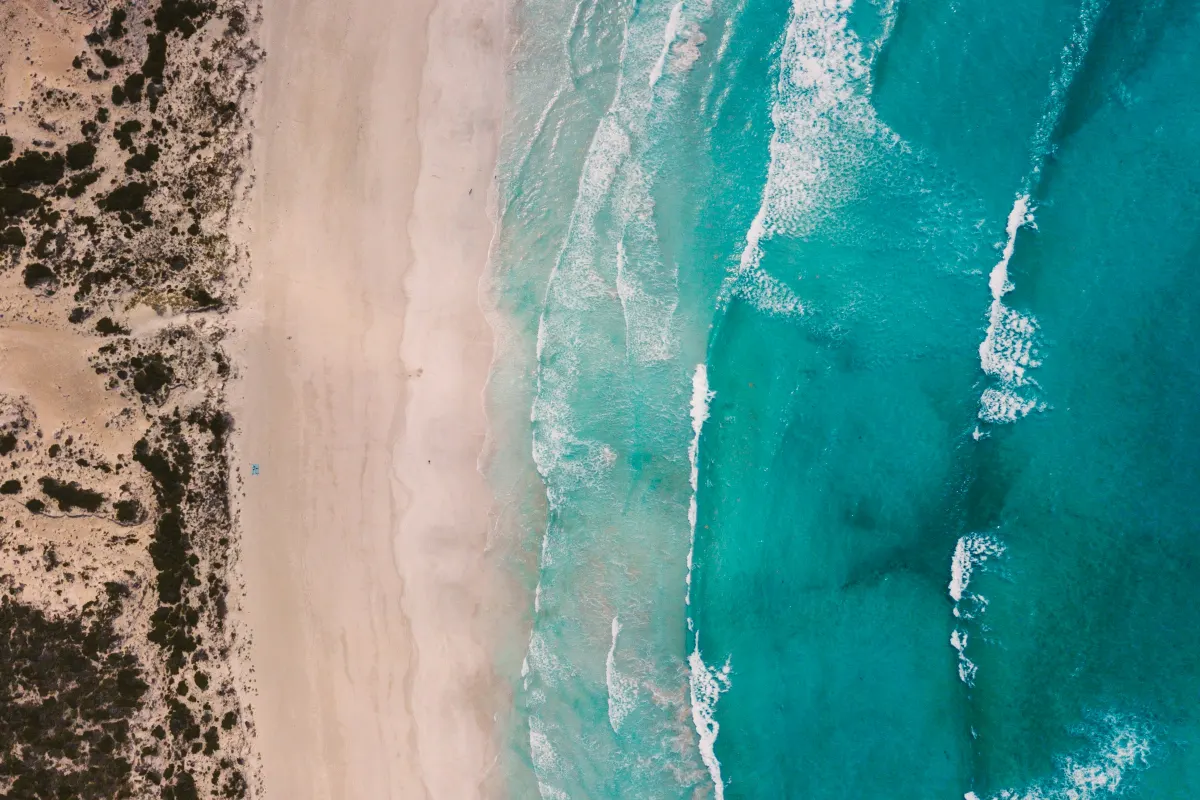
Walk onto most beaches and the water looks the same from one end to the other. It isn't. Under the waves the sand is shaped into banks, channels and holes, and the fish use them the way we use roads and kitchens. Learn to read that structure and you stop fishing empty water.
This guide shows you what each piece of structure looks like, roughly how far out it sits on a typical Australian surf beach, and which fish you will find on it.
Find the Structure, Find the Fish
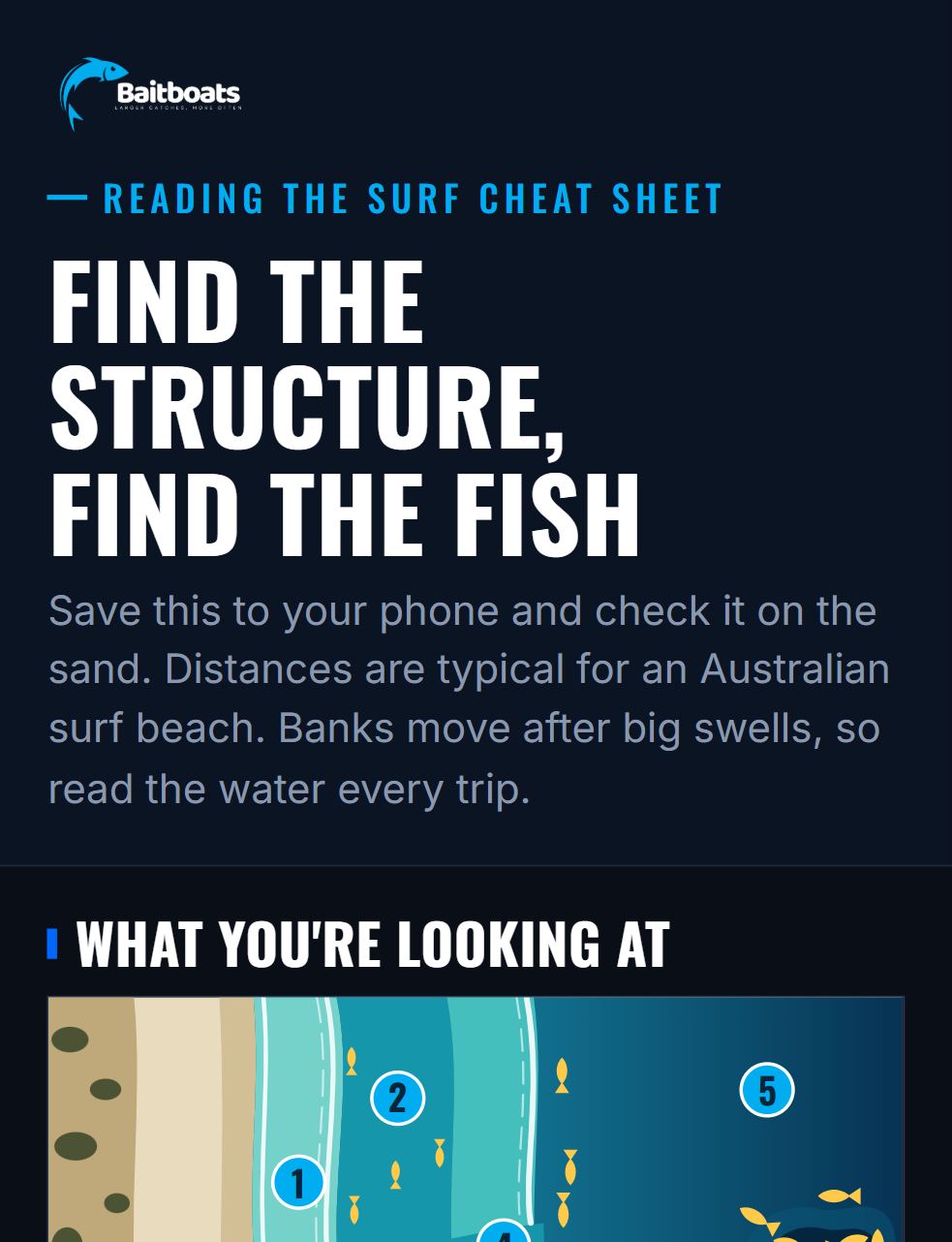
From the sand a beach looks like one long stretch of water. Get up on a dune at low tide with polarised sunnies and the structure shows. Dark water is deep, light water is shallow and white water is waves breaking over a bank. Water pushing out close to shore, sometimes murky or cloudy, is a rip. Sandbanks, gutters and cuts decide where the fish feed. The distances below are typical for an Australian surf beach, but banks move after big swells, so check each time you fish. A cast reaches the first gutter. A bait boat runs out through the cut to the bigger fish beyond it.
- A typical cast, about 60m
- Bait boat, up to 500m out
- Deep hole
- Where fish feed
- 1
First sandbank
Water's edge to about 30mShallow sand close to shore where the small waves break. Fish cruise its edges but rarely sit on top.
- 2
Gutter
About 30 to 70m outThe deeper channel between the two sandbanks. Darker, calmer water where baitfish shelter, and whiting, bream, flathead, tailor and salmon move in to feed. It is within casting range.
- 3
Second sandbank
About 70 to 100m outThe outer bank where the bigger waves break white. It marks the edge between the gutter and deep water.
- 4
Cut
About 70 to 100m outA gap in the second sandbank where the waves stop breaking. Deeper water runs through it, and fish use it to move between the gutter and the open sea.
- 5
Back of the break
About 100m and beyondDeep water past the second sandbank. Mulloway, snapper, kingfish and sharks patrol here. This is where your record catch is waiting.
Take It to the Beach
Get the Reading the Surf Cheat Sheet sent to your inbox. One page you can save to your phone, with the diagram, real beach photos, what the waves are telling you and a 60-second checklist.
Your Reading the Surf Cheat Sheet is on its way. If it isn't there in a few minutes, check your spam or promotions folder.
Gutters, Where Most Beach Fish Feed
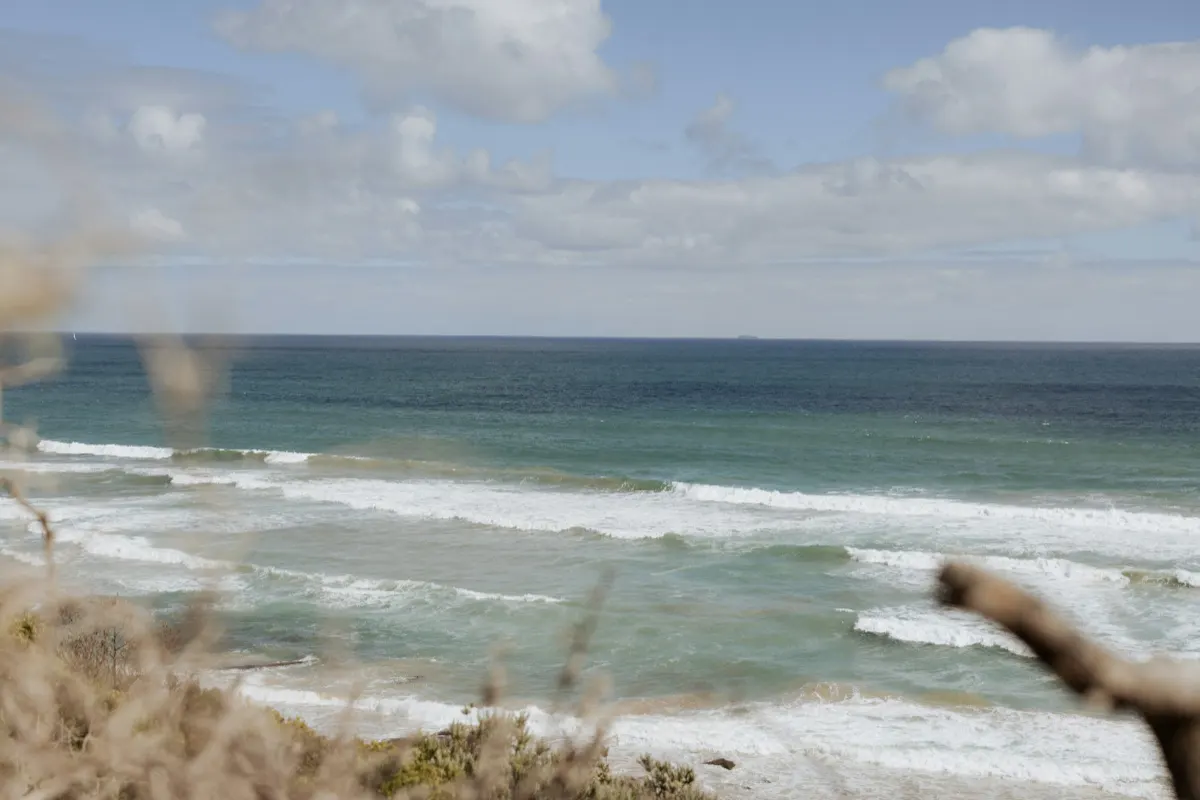
A gutter is a channel of deeper water scoured out of the sand between the shore and a sandbank. You spot it by its colour. Gutter water looks darker and greener than the water around it, and waves that broke on the bank go quiet as they cross it.
Not all gutters fish the same. A few things make one better than the next.
- Entrances. Fish move in and out of a gutter through gaps in the bank. A gutter with one entrance is good. A gutter with two is better, because food and fish can flow through it.
- Depth. Deep gutters hold bigger fish like tailor, salmon and mulloway. Shallow gutters suit whiting, bream and dart.
- Blind ends. Where a gutter closes off against the shore or a sand spit, whiting and bream often feed right up in the corner.
The best place for a bait is usually the edge of the gutter, where the sand drops into deeper water, or near an entrance where fish come and go.
Cuts and Rips, and How to Tell Them Apart
People mix these two up, and they are not the same thing.
A cut is a gap in a sandbank where the waves stop breaking. Some anglers call it an entrance. Deeper water runs through it, and fish use it to move between the gutter and the open sea. On a cut the waves roll through without turning white, so it shows up as a smooth patch in a line of breakers.
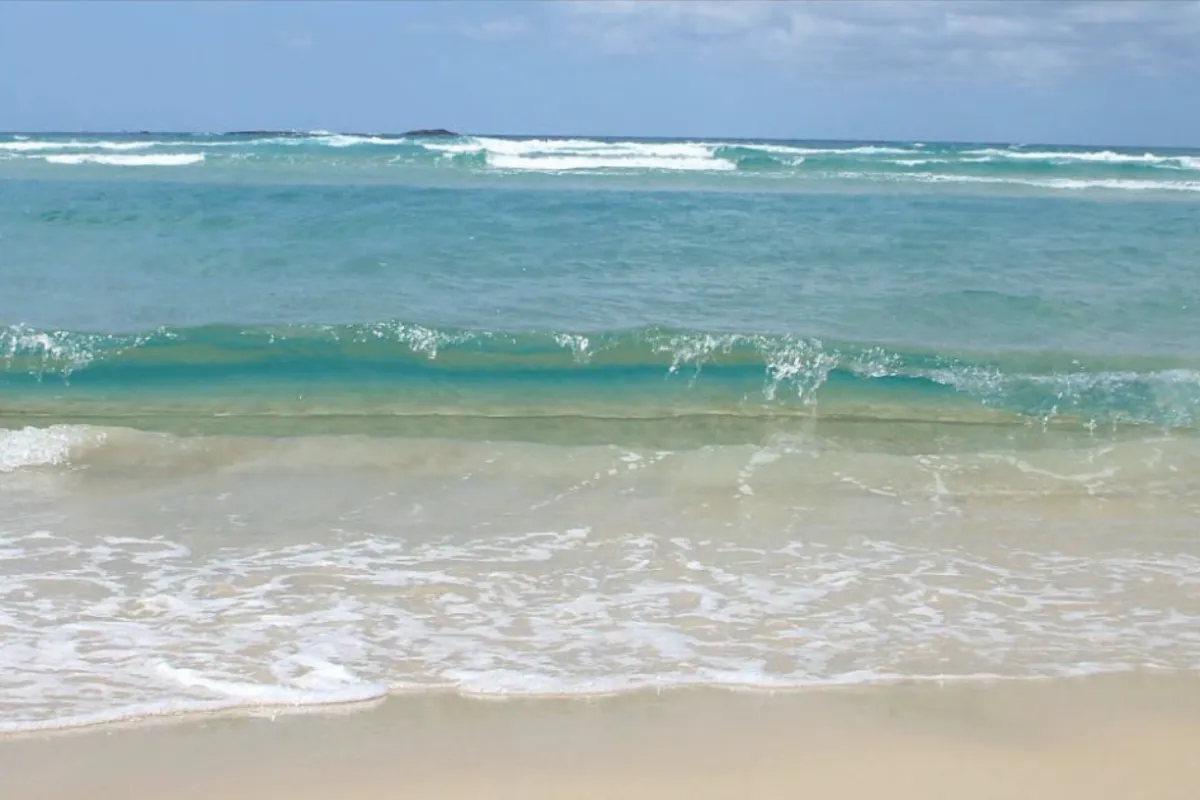
A rip sits closer to shore. You will see water pushing out through the shore break, often with a choppy, rippled surface, and sometimes murky or cloudy. Rips carry food out with them, and predators sit along their edges waiting for it.
A word on safety. Never wade into a rip to get a better cast. It is the main reason anglers and swimmers get dragged out. One of the big advantages of a bait boat is that you never have to.
If there is sweep running along the beach, fish the down current side of a cut or rip. The current pushes food that way, and the fish wait for it.
Holes and the Back of the Break
Past the second sandbank the water gets deep fast. This is the back of the break, and it is where the bigger fish cruise. Mulloway, snapper, kingfish and sharks all work this water, and on many beaches a second, outer channel runs along behind the bank like a highway for them.
Holes are pockets of deep sand scoured out by big seas. You find them by looking for dark water where the waves don't break at all. Bigger fish use them for shelter and to pick off food washing past.
This is also the water a cast can't reach. Most anglers cast around 60 metres, which lands in the first gutter. The back of the break starts at about 100 metres and the best holes are often well beyond that.
Tide and Time of Day
Read the beach at low tide. With less water covering it, the banks, gutters and holes are easy to see. The middle of the day is best, with the sun overhead and polarised sunnies on.
Then work out how the tide will change things. A gutter that looks perfect at low tide may be too far out to reach once the tide comes in. A bank that is bare at low tide may become the best feeding ground on the high, when fish move up onto it to dig out worms and pipis.
Fish the rising tide, as water floods back over the banks and brings the fish in with it. The best window is the two to three hours before high tide. Dawn and dusk are prime too, and when that window lines up with first or last light, that is the session to be on the sand for.
Mulloway keep later hours. Their best bite runs from dusk well into the night, with another burst in the last hour before first light.
Swell, Wind and Changing Banks
Beach structure never sits still. Every big swell moves sand around. A gutter you fished last month may have filled in, and a new hole may have opened up a hundred metres along the beach. That is why it pays to read the water every trip, not just once.
The size of the surf matters too. Too much swell and the fish move away from the dumping waves and churned up sand. Too little and they stay wide, out of reach of the shore, because flat clear water leaves them exposed. A moderate, steady surf usually fishes best.
What Lives Where Around Australia
The same structure holds different fish depending on where you are.
| Region | Common surf species |
|---|---|
| QLD and northern NSW | Sand whiting, bream, dart, tailor, flathead, mulloway at night |
| Southern NSW and VIC | Australian salmon, bream, flathead, whiting, gummy shark at night |
| SA | King George whiting, Australian salmon, mullet, mulloway |
| WA | Tailor, herring, whiting, Australian salmon in the south, dart |
| TAS | Australian salmon, flathead |
In general, whiting, bream and dart work the shallow gutters and banks. Tailor and salmon hunt the deeper gutters and bank edges. Mulloway, snapper, kingfish and sharks own the back of the break. Once you know where they feed, our guide to surf fishing rigs shows what to tie for each one.
Fishing Structure With a Bait Boat
Once you can read the beach, a bait boat lets you fish the parts a cast never reaches.
- Run out through the cut. It is the calmest path through the break. The boat has less trouble with the waves, is less likely to flip or get pushed back, and your line stays clear of the worst of the white water. It also saves battery, because the motors don't have to work as hard.
- Drop on the edge, not the middle. Fish patrol the edges of holes and banks. Drop your bait where the dark water meets the sand.
- Save your spots. The Fishing Surfer has GPS with four memory spots. Mark a hole once while you can see it, and the boat will drive itself back to the same spot on every drop, even at night.
- See the bottom. A fish finder shows you the drop offs and holes you can't see from the beach, and the fish sitting on them. The Fishing Surfer V2 + Fish Finder comes with one fitted.
Want all of this on one page for the beach? Get the free Reading the Surf Cheat Sheet.
Fish the Water Nobody Else Can Reach
The Fishing Surfer takes your bait through the surf and drops it on the structure that holds the biggest fish, up to 500 metres out.
Frequently Asked Questions
What is a gutter in beach fishing?
A gutter is a channel of deeper water between the shore and a sandbank. It looks darker and greener than the water around it, and the waves go quiet as they cross it. Gutters are where most beach fish feed.
How do I find a gutter on the beach?
Get up high, on a dune or headland, at low tide. Look for dark water with white water on either side of it. The white water shows where waves break on shallow banks, and the dark strip between them is the gutter.
What is the difference between a cut and a rip?
A cut is a gap in a sandbank where the waves stop breaking, and deeper water flows through it. A rip sits closer to shore and pushes water out through the shore break. It is often choppy and sometimes murky or cloudy.
What tide is best for fishing gutters?
The rising tide, and in particular the two to three hours before high tide. If that window lines up with dawn or dusk, even better. Scout the beach at low tide first, when the structure is easiest to see.
How far out are the sandbanks?
On a typical Australian surf beach the first sandbank runs from the water's edge to about 30 metres, the gutter sits about 30 to 70 metres out, and the second sandbank about 70 to 100 metres out. Every beach is different, and banks move after big swells.
Can a bait boat get past the break?
Yes. A surf bait boat like the Fishing Surfer is built to punch through waves up to about a metre and has a range of up to 500 metres, so it can drop a bait well past the second sandbank.