
Shark Fishing from the Beach, a Beginner's Guide
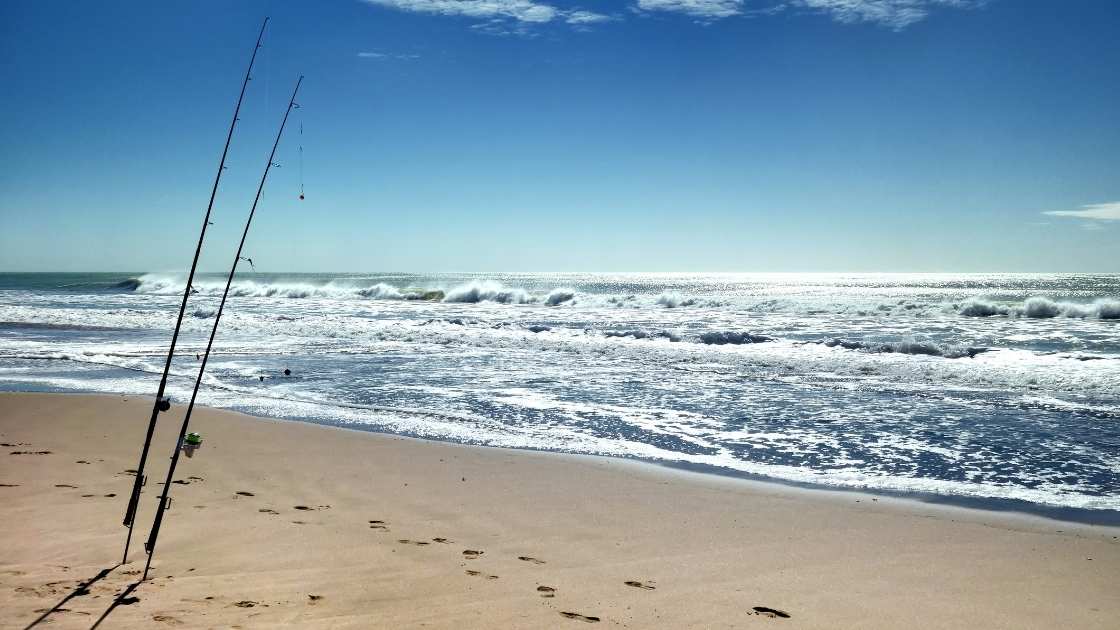
Beach shark fishing is one of the biggest thrills in Australian fishing. It's also one of the most demanding. The gear is heavy, the fish are strong, and getting it wrong can cost you the fish or hurt you.
Shark fishing from the beach comes in two very different kinds. Gummy sharks come into the deep gutters at night on a high tide, within casting range of normal surf gear, which makes them the place most beginners start. Bronze whalers, bull sharks and the other big sharks usually sit out past the break and need heavier gear and a different way to get the bait out. This guide covers how to catch a shark from the beach, from the rules and the shark rig setup to the best bait and a safe release.
Before You Try Land Based Shark Fishing
- Know the rules. Great white sharks and grey nurse sharks are protected right around Australia. Other species have size limits, bag limits or no take rules that change from state to state, so check your state's fisheries app or website before every trip.
- Fish away from swimmers. Never fish for sharks near patrolled flags or where people are in the water. Some councils and beaches don't allow shark fishing at all, so read the local signs.
- Never fish alone. Landing and releasing a shark is a two person job.
- Plan to release. Most beach sharks go back. The rig below is built so they can.
Which Sharks You'll Catch From the Beach
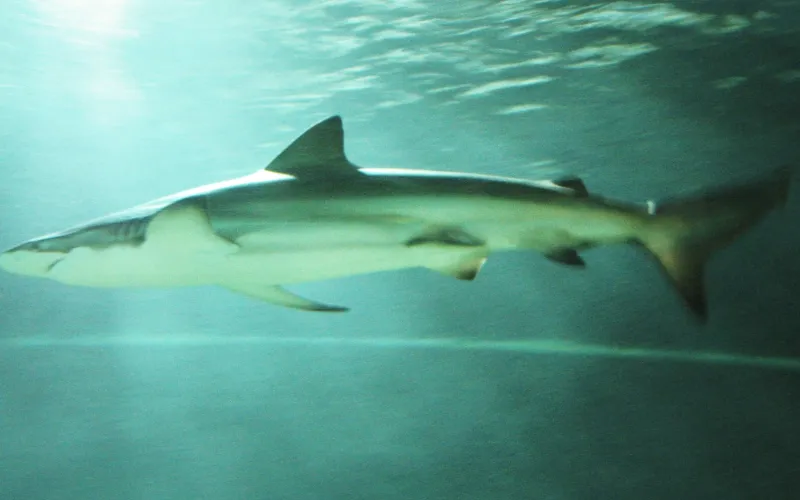
Bronze whaler
The most common surf shark on the southern half of the country, most often through the warmer months. Usually the first big shark a beach angler catches.
Photo by Robert Nyman (CC BY 2.0)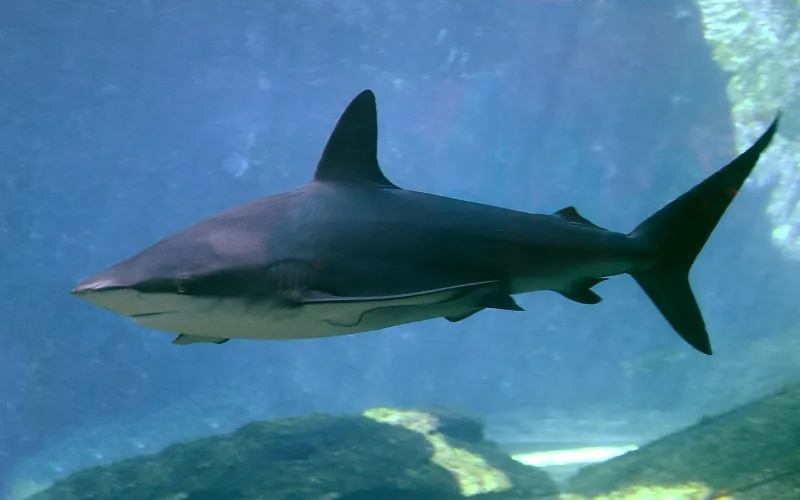
Dusky whaler
Looks a lot like a bronze whaler, and is common along the east and west coasts.
Photo by Amada44 (CC BY 3.0)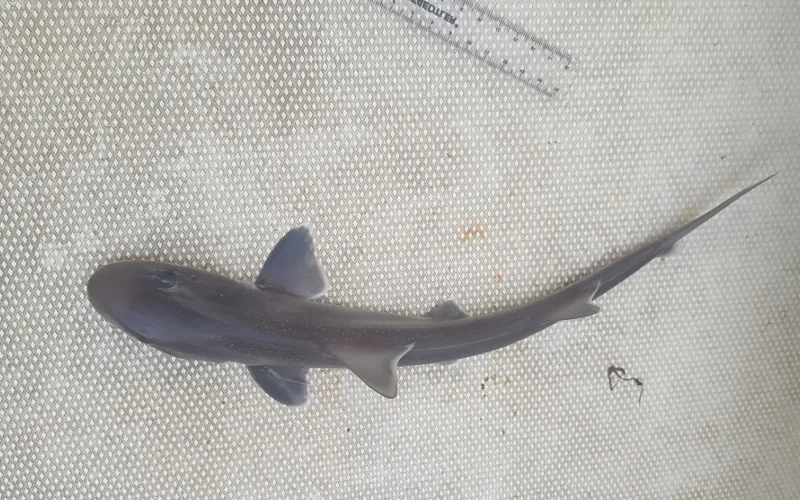
Gummy shark
A smaller bottom feeder in southern waters and one of the best eating fish in the sea. A great first target in Victoria, South Australia and Tasmania.
Photo by Lek Khauv (CC BY 4.0)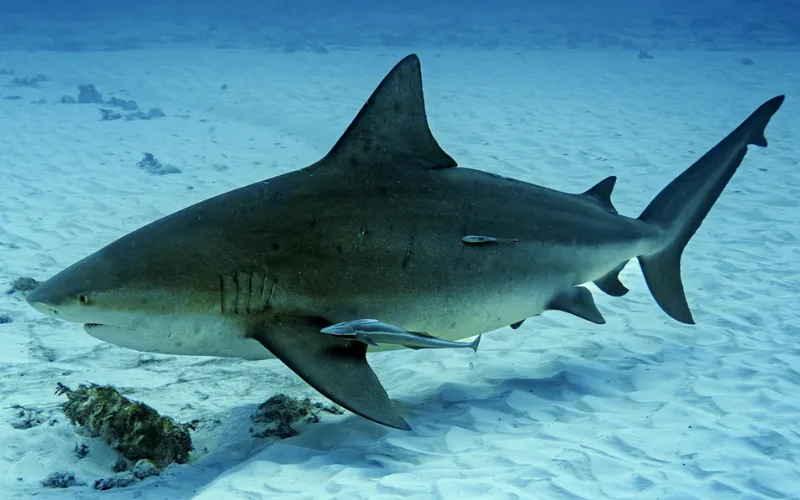
Bull shark
Likes warm water around river mouths and estuaries. Strong and heavy, so leave it until you've landed a few smaller sharks.
Photo by João D'Andretta (CC BY 4.0)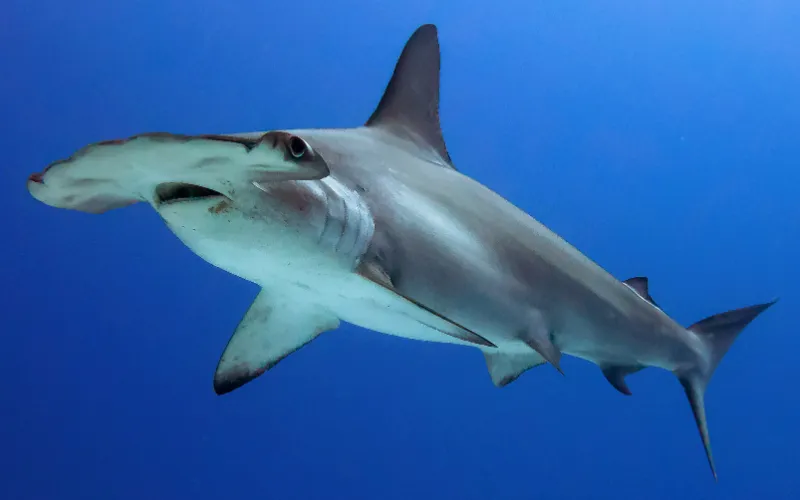
Hammerheads
All hammerheads are no take in Queensland, and great and scalloped hammerheads are protected in New South Wales. If you hook one, release it quickly.
Photo by Kris-Mikael Krister (CC BY 2.0)Sharks State by State
What you're most likely to hook in each state, and the best time of year to try. Rules change, so treat the rules as a heads up and check the details before you go.
Queensland
Best in the warmer monthsBull sharks around river mouths and estuaries, especially after rain, plus whalers along the open beaches.
All hammerheads are no take. Check the rules
New South Wales
Best in summer and autumnBronze and dusky whalers along the coast, bull sharks near northern river mouths, gummy sharks at night on the south coast.
Great whites, grey nurse sharks and great and scalloped hammerheads are protected. Check the rules
Victoria
Best in summer and autumnGummy sharks at night on a high tide, bronze whalers in summer.
Gummies have a minimum size and a bag limit shared with school sharks. Check the rules
Tasmania
Best in the warmer monthsGummy sharks at night from the beaches.
Minimum size and a shared bag limit with school sharks. No school sharks from shark refuge areas. Check the rules
South Australia
Best from spring to autumnBronze whalers off the surf beaches, gummy sharks at night.
Bronze whaler bag limit of one a day, and gear restrictions on shark fishing in metropolitan Adelaide. Check the rules
Western Australia
Best in the warmer monthsBronze and dusky whalers in the south west.
Whalers have a maximum size on the west and south coasts. Wire trace is banned within 800 metres of shore on Perth metropolitan beaches. Check the rules
Gear for Beach Shark Fishing
For gummy sharks
Your normal surf outfit is enough. A 10 to 12 foot rod, a 4000 to 6000 size reel, and a running sinker rig with a 60 to 80 lb mono leader and a 4/0 to 6/0 circle hook. Gummies crush their food with flat teeth, so you don't need wire. Our guide to surf fishing rigs shows how to tie it.
For big sharks
Land based shark fishing for bronze whalers and bull sharks needs heavier tackle all round.
- Rod. A 9 to 12 foot rod rated around 15 to 24 kg handles most beach sharks, including bronze whalers. Step up to a 24 to 37 kg rod for big bull sharks.
- Reel. A large spinning reel, 10000 size and up, or a lever drag overhead. Line capacity matters most. A big shark can take 200 metres on its first run, on top of the distance to your bait.
- Mainline. 50 to 80 lb braid, with the spool filled right up.
- Rod holder. A long sand spike that holds the rod upright and won't pull out.
- Release kit. Thick gloves, long nose pliers or a dehooker, a wire or bolt cutter, and a towel to cover the shark's eyes.
How to Set Up a Shark Rig
A shark fishing rig has two lines of defence. Shark skin is rough enough to wear through mono during a long fight, and their teeth cut it in a single bite. A long, heavy leader takes the rubbing, and a wire trace stops the teeth.
- Braid mainline, 50 to 80 lb.
- Wind on leader. Join 3 to 5 metres of 150 to 200 lb mono to the braid.
- Sinker on a sliding clip. Thread the clip onto the leader and clip on an 8 to 12 oz spike sinker, so it holds the bottom and the shark doesn't drag a fixed weight.
- Heavy swivel, rated well above your line, tied to the leader.
- Wire trace. Crimp 1.5 to 2 metres of multi strand wire to the swivel.
- Circle hook. Crimp a 10/0 to 14/0 circle hook to the end of the wire.
Why circle hooks. A J hook is often swallowed. A circle hook slides out of the throat and catches the corner of the jaw as the shark swims off, which makes a clean release much easier. Don't strike. Let the rod load up and wind steadily.
In Western Australia. Wire trace is banned within 800 metres of shore on Perth metropolitan beaches. Use a longer length of heavy mono there instead.
The Best Shark Fishing Bait
Sharks hunt by smell, so fresh and oily beats everything else.
- Mullet. Whole, or butterflied by cutting it open along the back so both fillets flap and spread scent.
- Tuna and bonito. Slabs, heads and fillets. Very oily and a top bait.
- Eel. Cut into chunks. Tough, oily and stays on the hook for hours.
- Ray. Cubed. A favourite with beach shark anglers.
- Tailor and salmon. Fresh fillets. Oily, and easy to catch on the same beach.
- Squid. Whole squid works well for gummy sharks.
Use bait as fresh as you can and keep it cold. Fresh, bloody bait puts the most scent in the water. Don't refreeze bait that has thawed. It goes soft and loses its scent.
Where and When to Fish for Sharks From the Beach
- Low light. Dawn, dusk and night are the best times. Sharks move in closer to the beach when the light drops.
- Structure. Gutters and cuts hold baitfish, and the sharks follow them. The back of the break, past the second sandbank, is where the bigger ones patrol. Our guide on how to read a surf beach shows you how to find them.
- Distance. Big sharks usually patrol the back of the break and the deeper water beyond it, past casting range on most beaches. How far that is depends on the beach.
- Water. Warmer water brings more sharks. River mouths after rain draw bull sharks.
Getting the Bait Out Past the Break
How you get the bait out when shark fishing from the beach depends on what you're chasing. For gummy sharks, a long cast into a deep gutter on a night high tide does the job, and it's how most people start. That's the window when gummies come in close. The rest of the time they're out in deeper water, and boat anglers catch the most gummies, and many of the biggest, out wide. A bait dropped past the break keeps you in that deeper water when the gutter goes quiet.
Big sharks usually sit out past the break, too far to cast, so for them the bait goes out by sea kayak or bait boat.
The traditional way. Paddle the bait out and drop it. You can take bigger baits than any bait boat carries, and go as far as your courage lets you. The downsides are real. It's hard work, you get wet, and paddling through surf at night with a bloody bait near sharks is a safety risk. Not for the faint hearted.
The Fishing Surfer punches out through the surf and rights itself if a wave rolls it. It carries up to 2 kg of bait out to 500 metres and drops it on a saved GPS spot while you stay dry on the sand. No paddling and no getting in the water, and it's ready for the next drop in minutes. For most anglers it's the clear winner.
Dropping a shark bait off the beach with a bait boat
- Put the rod in the holder, tie on the rig and clip the line into the rear release.
- Load the bait, trace and sinker into the hopper.
- Put the reel in free spool with the clicker on.
- Drive out through the cut, where the waves are smallest.
- Save the spot on GPS and release the bait.
- Bring the boat home on GPS return.
- Wind up the slack until the line comes tight to the sinker, then set the drag to strike.
- Leave the clicker on so you hear the run.
Compare boats built for the job on our shark bait boats page.
Your First Shark, Sorted
Get Beach Shark Fishing for Beginners as a free phone sized PDF. The rig step by step, the best baits, which sharks to expect in your state, a safe release and a first trip checklist.
Your shark guide is on its way. If it isn't there in a few minutes, check your spam or promotions folder.
Hooked Up
- Let it run. The first run is fast and long. Keep the rod up and let the drag do the work.
- Pump and wind. Lift the rod to gain line, then wind as you lower it. Steady pressure tires a shark faster than short bursts.
- Use the waves. As the shark gets close, wait for a wave and let it carry the fish up the beach.
- Grab the heavy leader. Wear gloves, take hold of the leader and guide the shark into the shallows. Keep your hands off the wire.
Releasing a Shark Safely
- Keep it in the water if you can. Shallow water at the edge of the wash is ideal.
- Stay clear of the head and tail. One person holds the leader, the other handles the hook.
- Cover the eyes with a wet towel. Most sharks settle once they can't see.
- Take out the hook with long nose pliers or a dehooker. If it's deep, cut the wire as close to the hook as you can. A circle hook in the jaw usually comes straight out.
- Be quick with photos. Keep the shark wet and supported.
- Point it into the waves and let it swim off.
Never drag a shark up dry sand by the tail, and never put your hands near the gills or mouth.
Your First Night of Beach Shark Fishing
The best way to start shark fishing from the beach is with what your beaches hold. In the south that usually means gummy sharks in a deep gutter on a night high tide, with a running sinker rig and fresh squid. Pick an open stretch of beach with nothing close by that a shark could run you around, like a pier, a rocky point or reef. A big shark's first run is long, and anything in its path can cut the line. Check the rules, take a mate and pack the release kit. Once you've landed a few, step up to the shark rig and the back of the break, where the bronze whalers patrol. Shark fishing off the beach takes patience, but the first run on a big bait makes every quiet session worth it.
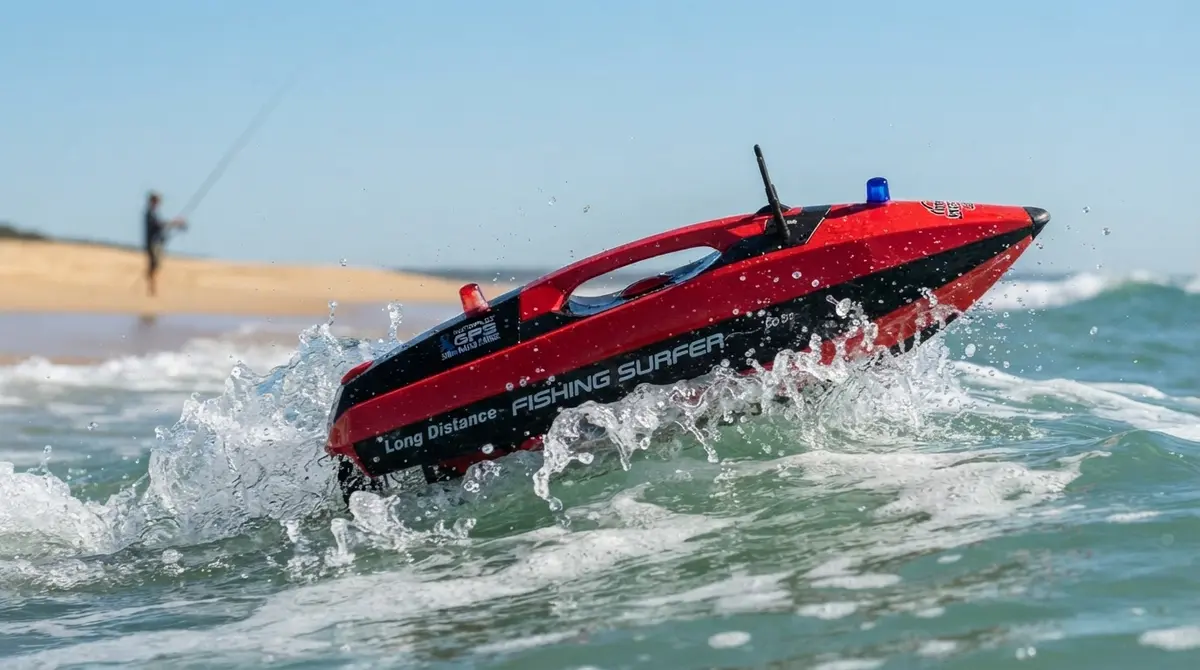
Get Your Bait Out Where the Sharks Are
The Fishing Surfer carries up to 2 kg of bait through the surf and out to 500 metres, then drives itself home on GPS. No paddling and no getting wet.
Frequently Asked Questions
Can you go shark fishing from the beach in Australia?
Yes. Bronze whalers, dusky whalers, gummy sharks and bull sharks are all caught from Australian beaches. Great white sharks and grey nurse sharks are protected, and other species have limits that vary by state, so check your state's rules before you fish.
What is the best bait for shark fishing from the beach?
Fresh, oily bait. Mullet, tuna, bonito, eel chunks and cubed ray all work well for big sharks. Whole squid is a good bait for gummy sharks.
What size hook do I need for beach shark fishing?
A 10/0 to 14/0 circle hook for big sharks like bronze whalers. For gummy sharks, a 4/0 to 6/0 circle hook is enough.
What is the best shark rig setup for the beach?
For big sharks, a shark fishing rig of 50 to 80 lb braid, a 3 to 5 metre wind on leader of 150 to 200 lb mono, a spike sinker on a sliding clip, a heavy swivel, 1.5 to 2 metres of wire trace and a 10/0 to 14/0 circle hook. For gummy sharks, a running sinker rig with a 60 to 80 lb mono leader and a 4/0 to 6/0 circle hook.
Do I need wire trace for shark fishing?
For big sharks, yes. Their teeth cut through mono. Gummy sharks have flat crushing teeth, so a heavy mono leader is enough. In Western Australia, wire trace is banned within 800 metres of shore on Perth metropolitan beaches.
When is the best time for shark fishing on the beach?
Dawn, dusk and night, when sharks move in closer to the beach. In most states the warmer months are best, and river mouths after rain are worth trying for bull sharks.